
We come from a long line of farmers. I grew up on a family farm just north of Asheville, NC, while Mark farmed in north Florida. Daddy grew the most beautiful cabbage, broccoli, cauliflower, and asparagus. Everything really grew well, but those crops especially thrived. There were fruit trees of every kind, berries, and five varieties of grapes. Both our families had bee hives, chickens and pigs. Full working family farms.
We’ve had gardens every year we’ve been married, in-ground, raised beds, containers, hanging tomatoes, you name it. We’ve grown vegetables just about every way except hydroponics, that’s on the to-do list.
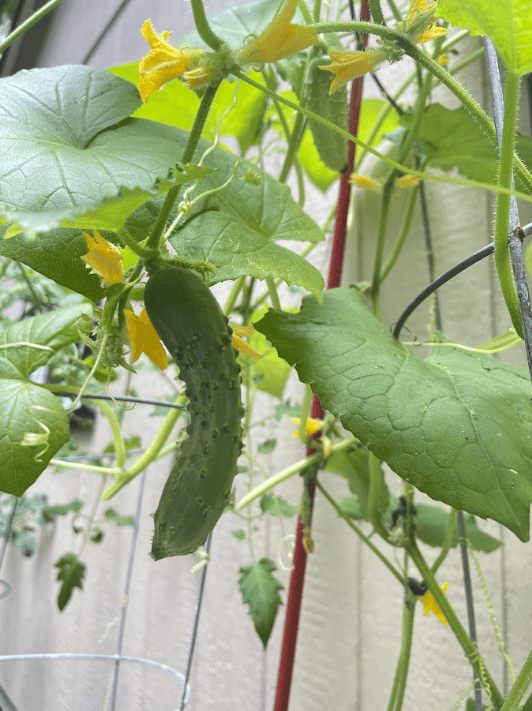
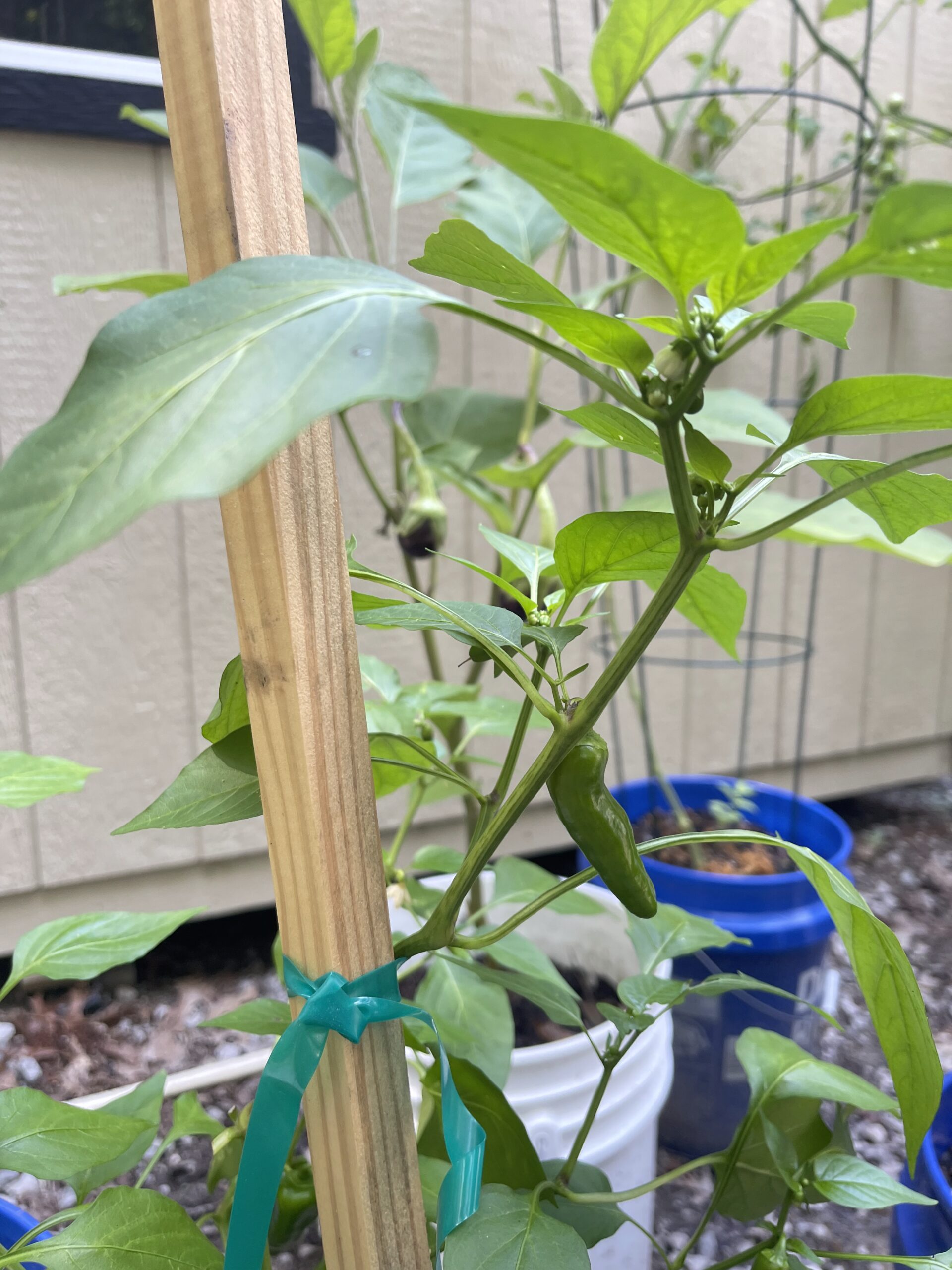
For the past several years, we’ve gone with container vegetables due to health issues. The convenience of containers was exactly what we needed. Our container gardens have always done well with no problems at all until this year. We have beautiful plants with picture-perfect blooms, but lots and lots of those blooms simply fall off without producing anything. I have always been good at growing tomatoes. The big slicing kind, but not this year. We’ve gotten a few cherry tomatoes, but none of the others have produced anything beyond blooms. We’ve harvested some cucumbers, but nothing compared to previous years.
I make our own container soil mix using compost, bone meal and blood meal, feeding then with organic plant food throughout the season. I’ve never had a problem with it in the past. I used the same soil amendments for our in-ground gardens and raised beds, too. This year has been a big disappointment.
We’ve asked ourselves all the questions. Could it be the rain? We’ve had weeks of heavy rain this year. The containers are well-drained and aren’t sitting in water. What about the plants themselves? Has anything changed? Well, I start some from seeds and buy others as seedlings. This was the first year I tried Ferry-Morse seedlings from Lowe’s. So far, the Ferry-Morse vegetables have outproduced the Bonnie plants three to one! As for seeds, I like Johnny’s Selected Seeds and Sow True Seed. Both have really good germination rates, strong plants, and excellent flavor in the harvests we’ve had in past years.
This year the plants look healthy and picture-perfect. The herbs are doing great, but the vegetables just aren’t producing. Pests? None that I can see. We don’t use pesticides—my grandparents and parents didn’t either. We usually make our own dish soap mixes and use lime instead, and that hasn’t changed. Container placement stayed the same as last year, so that shouldn’t have been an issue. We did move the containers to a new spot last week, so I’m hoping that will help get things producing actual vegetables.
To stay on top of what’s working (and what isn’t), we’ve always tracked our vegetable plant growth and production, just like our parents. I keep a garden journal with planting dates, variety notes, photos, and observations about blooms, fruit set, and actual harvests. I also track weather patterns, watering amounts, and any fertilizer applications. For quicker checks, I use a dedicated email journal, and my phone’s notes app then moving data to a basic spreadsheet to log production totals number of tomatoes, cucumbers and so on picked per week, pounds per vegetable. I note taste and quality. We also track pests and any information our neighbors have to offer about their gardens. It helps spot patterns over time. Whether you use a notebook, an app, or even a dedicated garden tracking sheet, consistent notes turn guesswork into real insights for next year.
One of the simplest and most effective tools I’ve found is a dedicated email address used just for journaling. I set up one specifically for my garden notes and another for my prayer journal. It’s incredibly convenient because I can do it on the go from my phone, snap a photo in the garden, attach it, add a quick note about what I see, and hit send. I can also forward helpful links, seed catalog pages, or weather reports right into the same inbox. Everything stays neatly organized in one searchable place, and it’s easy to review later when I add the information to my spreadsheet to refer to when planning for the next season. If you’re looking for a low-tech but powerful way to track your garden (or your quiet time), I highly recommend giving a dedicated journal email a try.
Mine cilantro ended up suffering because of all the dry spells followed by intense rain! Something Im going to consider when placing and planting next year.